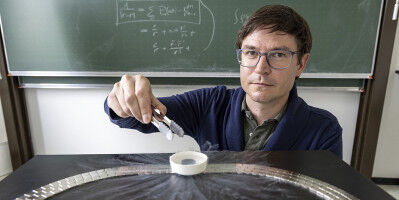
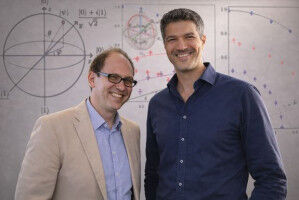
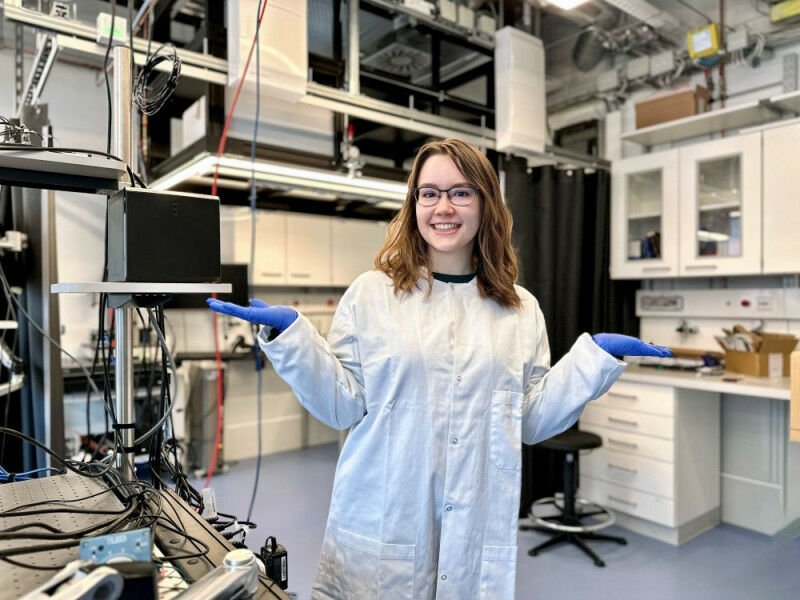
 Malina Strugaru. The scientist combines physics and computer sciences and is co-affiliated with Bernd Bickel’s and Jérémie Palacci’s research groups.
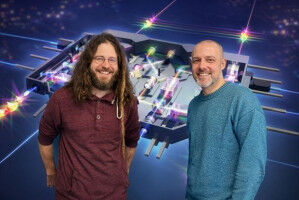
Co-affiliation enables interdisciplinary PhD thesis projects. Malina Strugaru. The scientist combines physics and computer sciences and is co-affiliated with Bernd Bickel's and Jérémie Palacci's research groups. ISTA - Depending on their interests, PhD students at the Institute of Science and Technology Austria (ISTA) have the opportunity to pursue their thesis project and research under the mentorship of two professors. Malina Strugaru gives insights into what that looks like, while Soham Mukhopadhyay, approaching the end of his PhD journey, reflects on his experience at ISTA. Finally, they both share some helpful insights for PhD applicants. Malina and Soham, what inspired you to pursue a PhD at ISTA? Malina Strugaru: I found out about ISTA while browsing for internships during my second year as an undergraduate. Unfortunately, I didn't do an internship back then, but I remembered the Institute when I started applying for PhD programs. The interviews during the application process eventually convinced me that ISTA was the perfect fit for me. Although the interviews were technical, the atmosphere was very friendly, and the whole discussion was filled with helpful feedback from the professors. Soham Mukhopadhyay: I did both my Bachelor's and Master's in physics in India. I worked on designing a superconducting quantum circuit during my Master's thesis and consequently got interested in the research field of quantum devices. Discovering ISTA's strong presence in this research field influenced my decision to pursue a PhD here. Soham Mukhopadhyay. The physicist works on quantum devices and closely interacts with the Nanofabrication Facility , one of many excellent services provided by ISTA's SSUs. ISTA - Malina, you are co-affiliated with two groups, how come?
TO READ THIS ARTICLE, CREATE YOUR ACCOUNT
And extend your reading, free of charge and with no commitment.
Your Benefits
- Access to all content
- Receive newsmails for news and jobs
- Post ads