


news 2026
« BACK
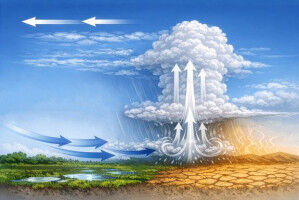 Dangerous thunderstorms: better models through soil-moisture data
 Microalgae and sea spray
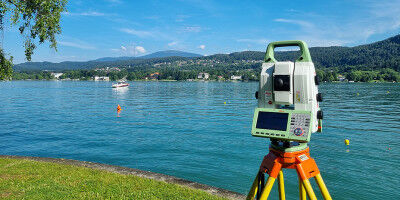 Lake Wörthersee under Pressure: Innovative System Measures the State of the Ecosystem
 Forestry is Becoming Digital and Automated
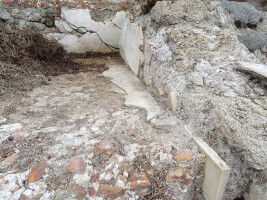 Hygienic conditions in Pompeii’s early baths were poor
Environment
Results 1 - 5 of 5.
Environment - 16.02.2026
Millions of thunderstorms have now been analysed, providing new insights into the development of extreme weather events. The key lies in the combination of soil moisture and wind. Thunderstorms are known to form preferentially on warm, humid days with unstable air. But predicting where exactly a thunderstorm will develop has so far remained extremely difficult.
Environment - Earth Sciences - 11.02.2026
New BOKU study provides important insights into previously poorly understood processes at the boundary between water and the atmosphere. Microalgae - tiny plants that live in water - release certain gases that can contribute to the formation of clouds in the atmosphere. Dimethyl sulphide (DMS), a sulphur gas that influences cloud formation, among other things, and thus indirectly controls the Earth's climate, is particularly important.
Environment - Earth Sciences - 10.02.2026
The new holistic monitoring system developed under the leadership of TU Graz measures boat waves with millimetre precision using satellite navigation data and sensors on buoys and for the first time allows investigations into the extent to which boat traffic, weather and other factors influence the ecosystem of lakes.
Innovation - Environment - 15.01.2026
Environment - Earth Sciences - 13.01.2026
A new study by researchers from Mainz, Oxford, Berlin and Innsbruck shows that Pompeii's early baths were much less hygienic than long assumed. Geochemical analyses of lime deposits from the city's wells and pools reveal severe contamination and shed light on the ancient water supply in Pompeii. Innsbruck geologist Christoph Spötl was involved in the study published in the scientific journal PNAS.


